Budrys in Brussels: How long can discussions continue without results? Ukraine needs decisive action
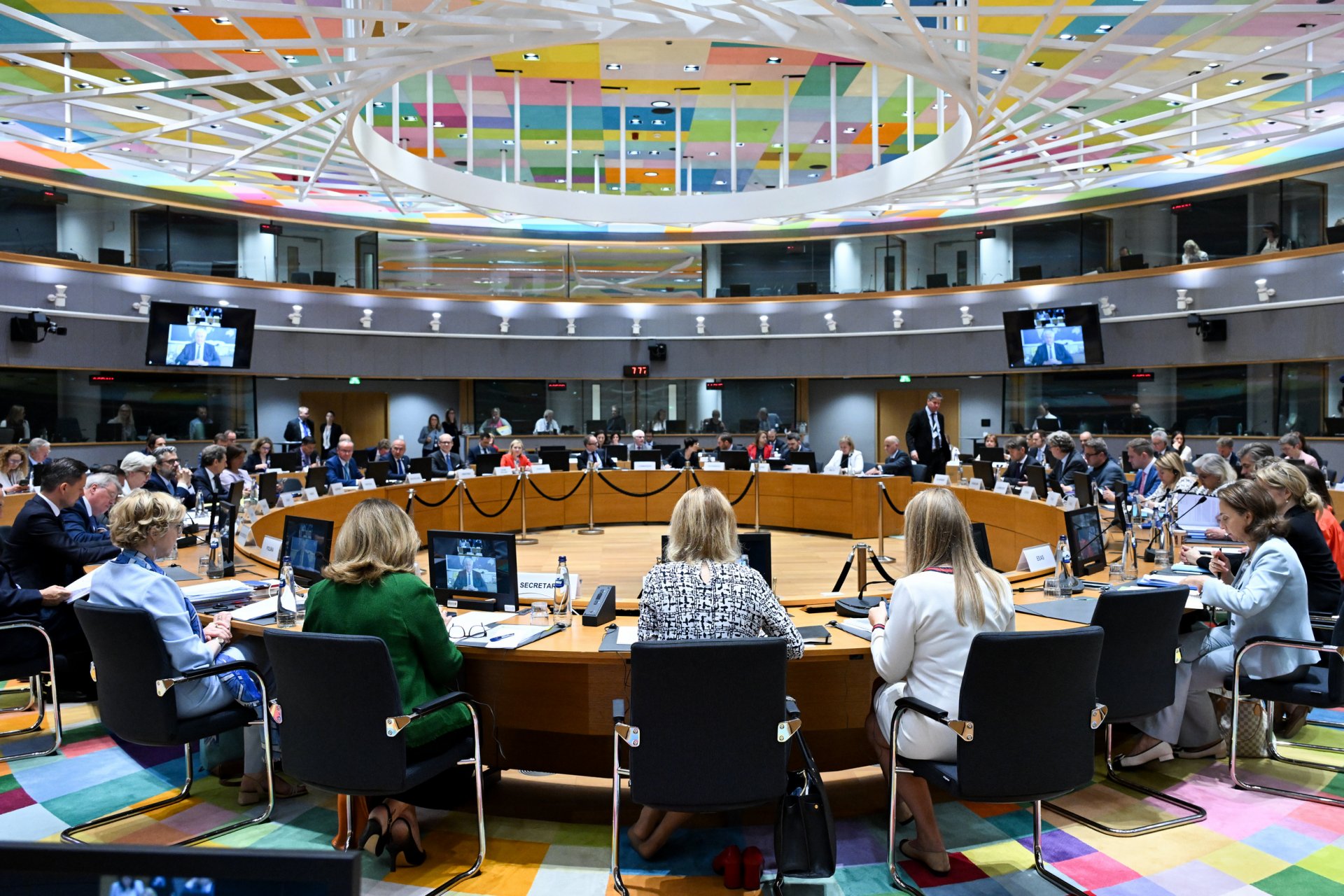
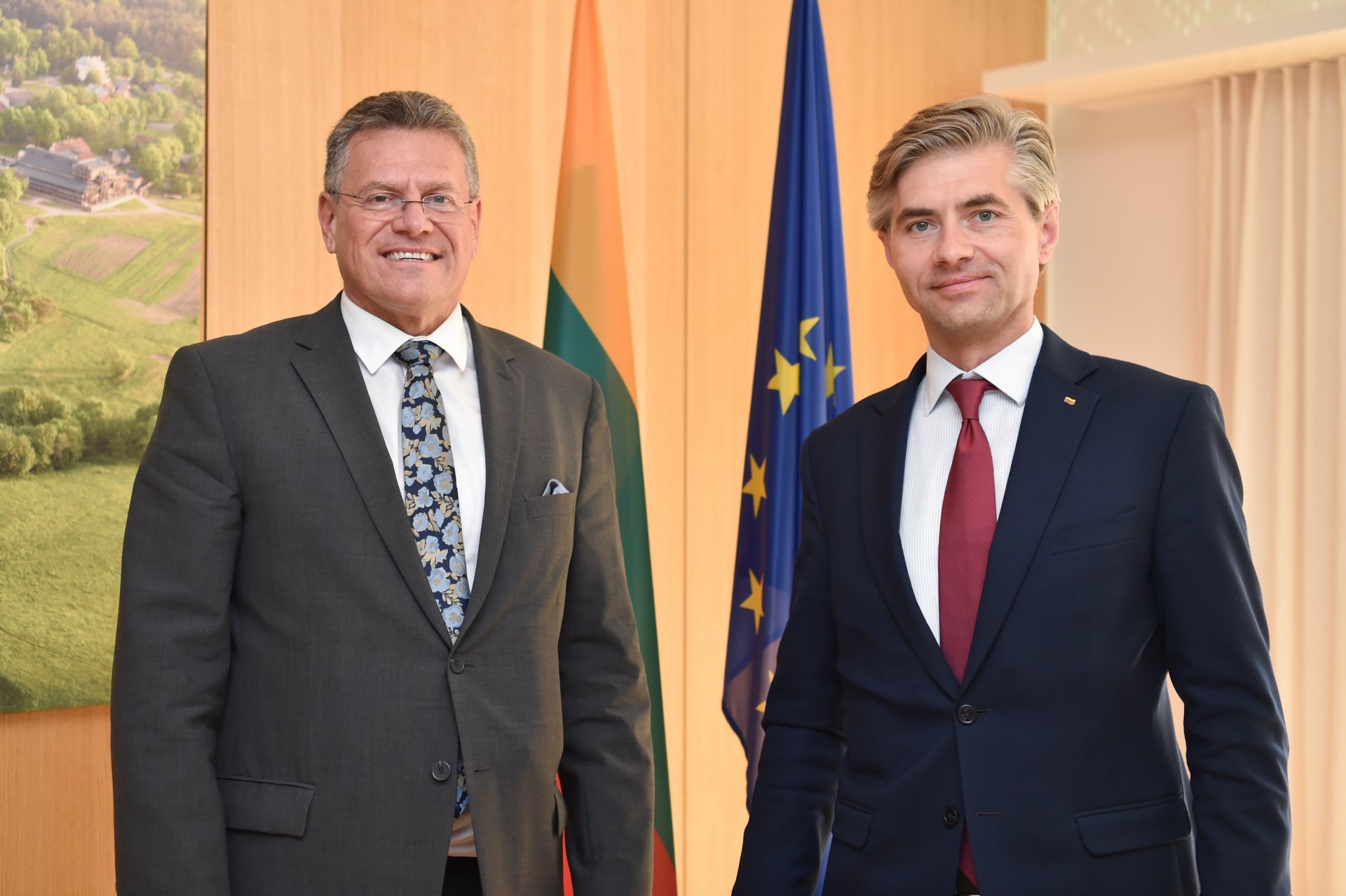
On 15 July in Brussels, the Minister of Foreign Affairs of Lithuania, Kęstutis Budrys, attended the EU's Foreign Affairs Council meeting to discuss measures to increase pressure on Russia and support for Ukraine, the situation in Georgia and the Middle East, the EU’s Southern Partnership and cooperation with the countries of the Mediterranean countries.
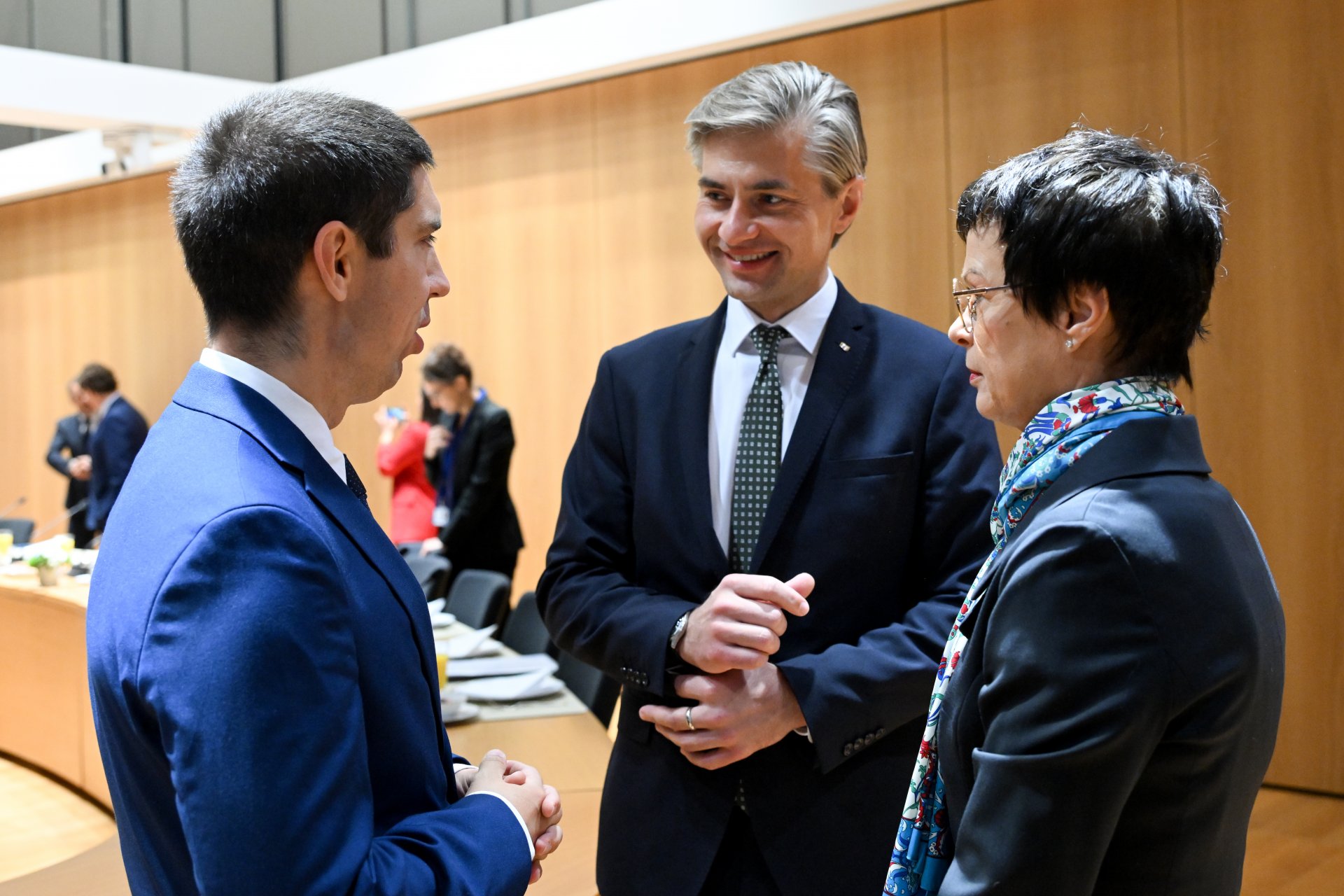
On the sidelines of the Council, the Minister held bilateral meetings with the foreign ministers of Palestine and Syria, and Maroš Šefčovič, European Commissioner for Trade and Economic Security. The head of Lithuania's diplomacy attended an informal working breakfast of EU Foreign Affairs Ministers with the Deputy Prime Minister and Minister of Foreign Affairs of Moldova, Mihai Popșoi.
When speaking at a session dedicated to support for Ukraine, the Minister highlighted the lack of EU-backed action, which is crucial for Ukraine to defend itself against the Russian aggression.
"How long can the recurring discussions continue without results. If the Kremlin's drones and missiles attacking civilians in Ukraine do not encourage us to adopt the EU's 18th sanctions package, maybe the U.S. will?" said Budrys.
The Minister said President Donald Trump's 50-day ultimatum to Russia to agree to a peace deal with Ukraine or face secondary sanctions, including 100% tariffs on Russian oil exports, sent a message to Europe as well. He stressed that is necessary to accelerate the implementation of the Commission’s proposed plan to fully phase out Russian oil and gas imports, as part of the REPowerEU plan, if we wish the U.S. secondary sanctions not to affect European countries that are still dependent on Russian energy. The Minister also called for beginning to work on the EU's 19th package of sanctions and for imposing tariffs on Russia and Belarus on the key groups of goods that had not yet been sanctioned by the EU.
Budrys called for opening the first set of negotiating clusters as soon as possible in the negotiations on Ukraine's and Moldova's EU membership. The Minister also expressed Lithuania's support for Moldova ahead of the upcoming parliamentary elections in countering Russian hybrid threats. In response to the Kremlin's hybrid attacks aimed at overshadowing last year's EU referendum and presidential elections in Moldova, Lithuania has significantly increased its support to strengthen Moldova's resilience, ensuring cybersecurity, strengthening strategic communication, and fighting disinformation.
When discussing the EU's response to the dire humanitarian situation in the Gaza Strip, the Minister underlined Lithuania's support for the ongoing dialogue led by EU High Representative Kaja Kallas with Israel on improving the humanitarian situation. According to Budrys, it is necessary to continue diplomatic measures and to call on Israel to implement the commitments made to ensure humanitarian aid access into Gaza and to monitor their implementation.
The Lithuanian Foreign Minister also discussed the situation in the Gaza Strip with the Palestinian Authority's Minister of State for Foreign Affairs and Expatriates, Varsen Aghabekian. According to the Minister, Lithuania supports the two-state solution, which is the only way to achieve sustainable peace in the Middle East region. Budrys called on all sides to respect humanitarian law, immediately release Israeli hostages, and return to full implementation of the ceasefire agreement.
The bilateral meeting with Asaad Hassan al-Shaibani, Syrian Minister of Foreign Affairs and Expatriates, addressed the implementation of political reforms aimed at ending the legacy of the Assad regime. Budrys expressed Lithuania's support for the transitional government, stressing his expectations that it would not continue Assad's policies – namely, that it will close Russia's military bases on Syrian territory, revoke its recognition of Russian-controlled separatist entities in Ukraine and Georgia, and ensure the prosecution of Assad, who is hiding in Russia, and senior officials of his regime, through international mechanisms.
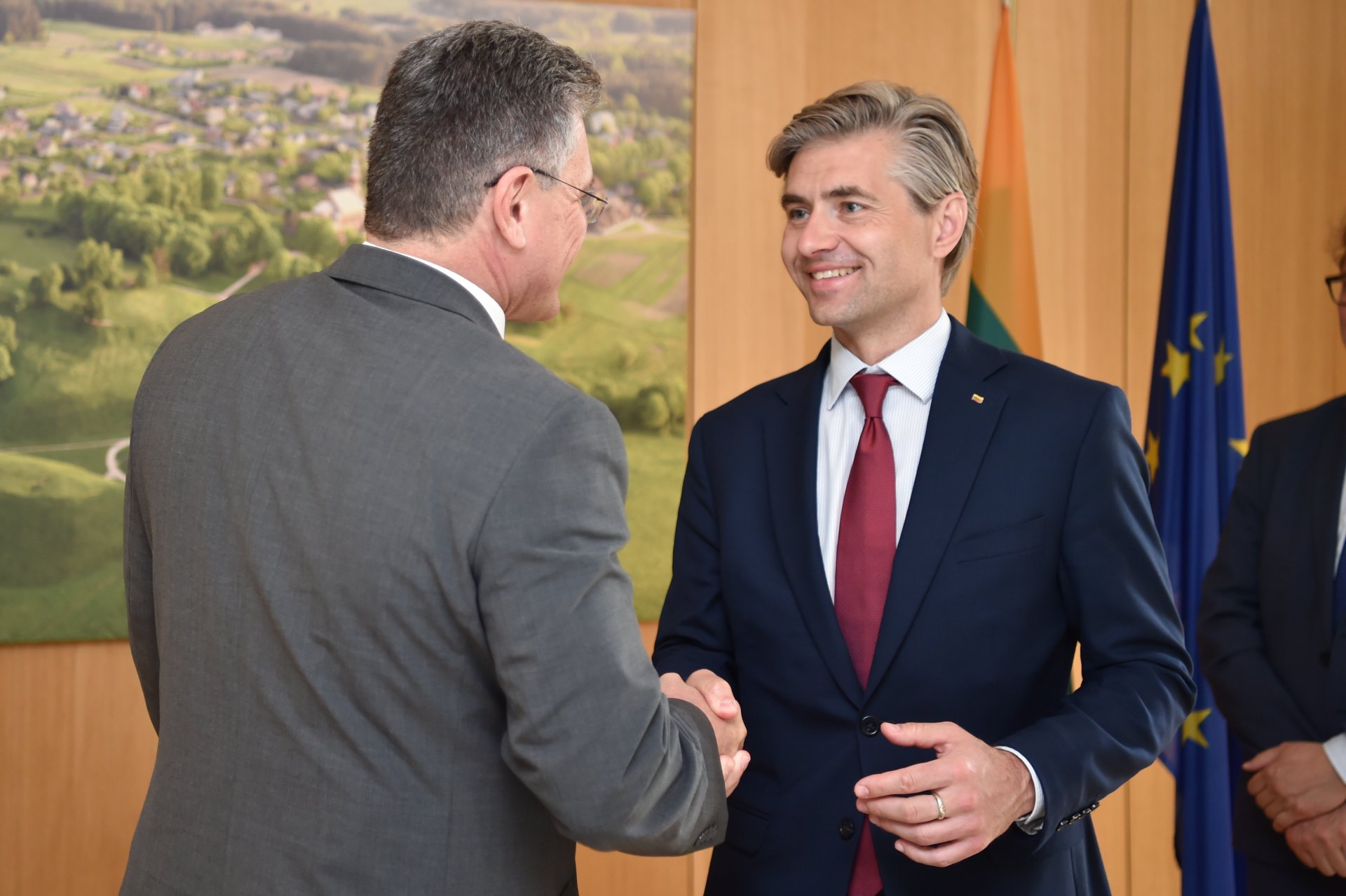
In the context of the EU Foreign Affairs Council (Trade) held the previous day, Budrys and Commissioner Maroš Šefčovič discussed preparations for the upcomming EU-China summit in Beijing at the end of July. They highlighted China's unfair trade practices that disadvantage the EU member states, and the need for a coordinated response from the European Commission.

Social media