Budrys's meeting with the Minister of Montenegro focuses on EU enlargement, security, and support for Ukraine
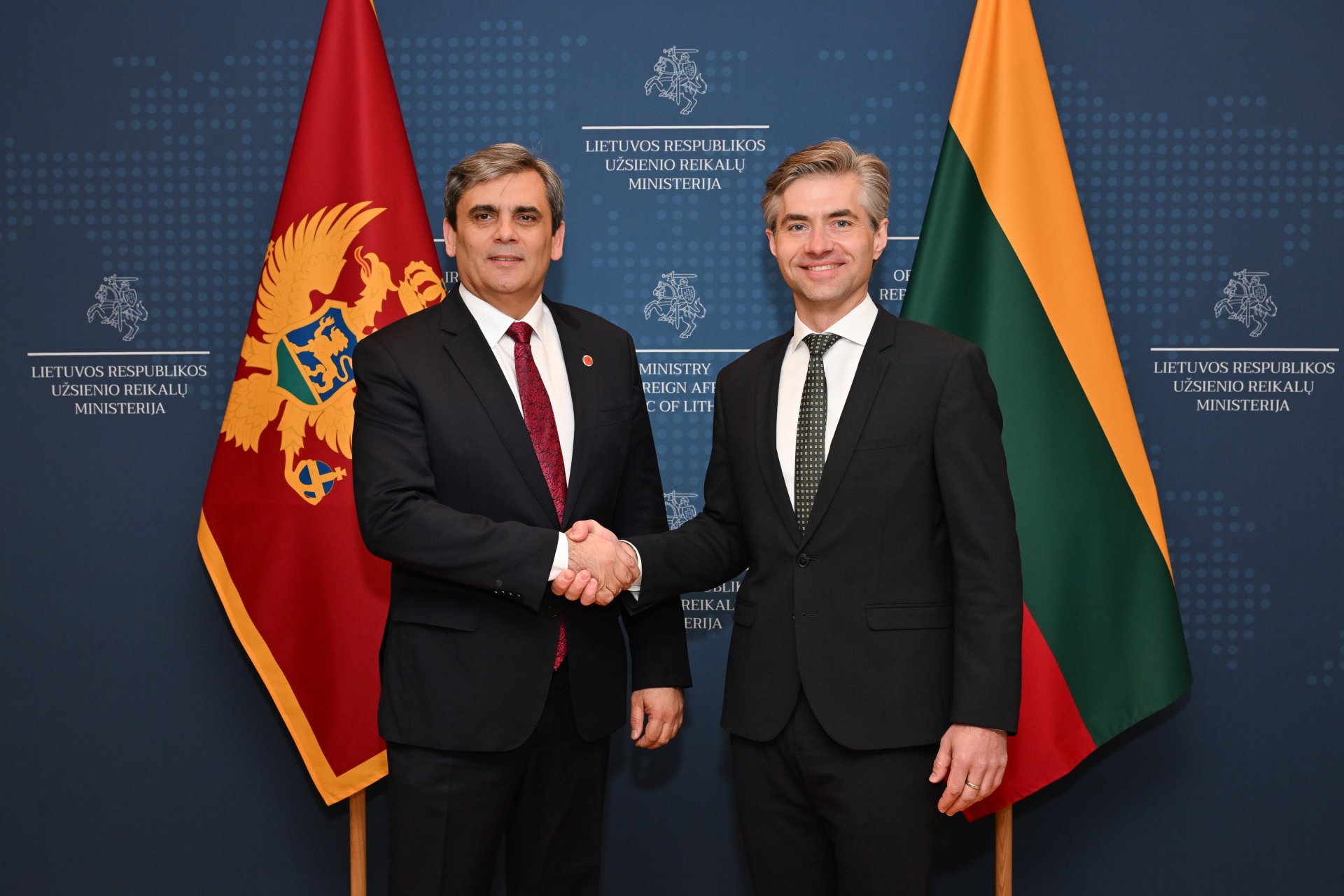
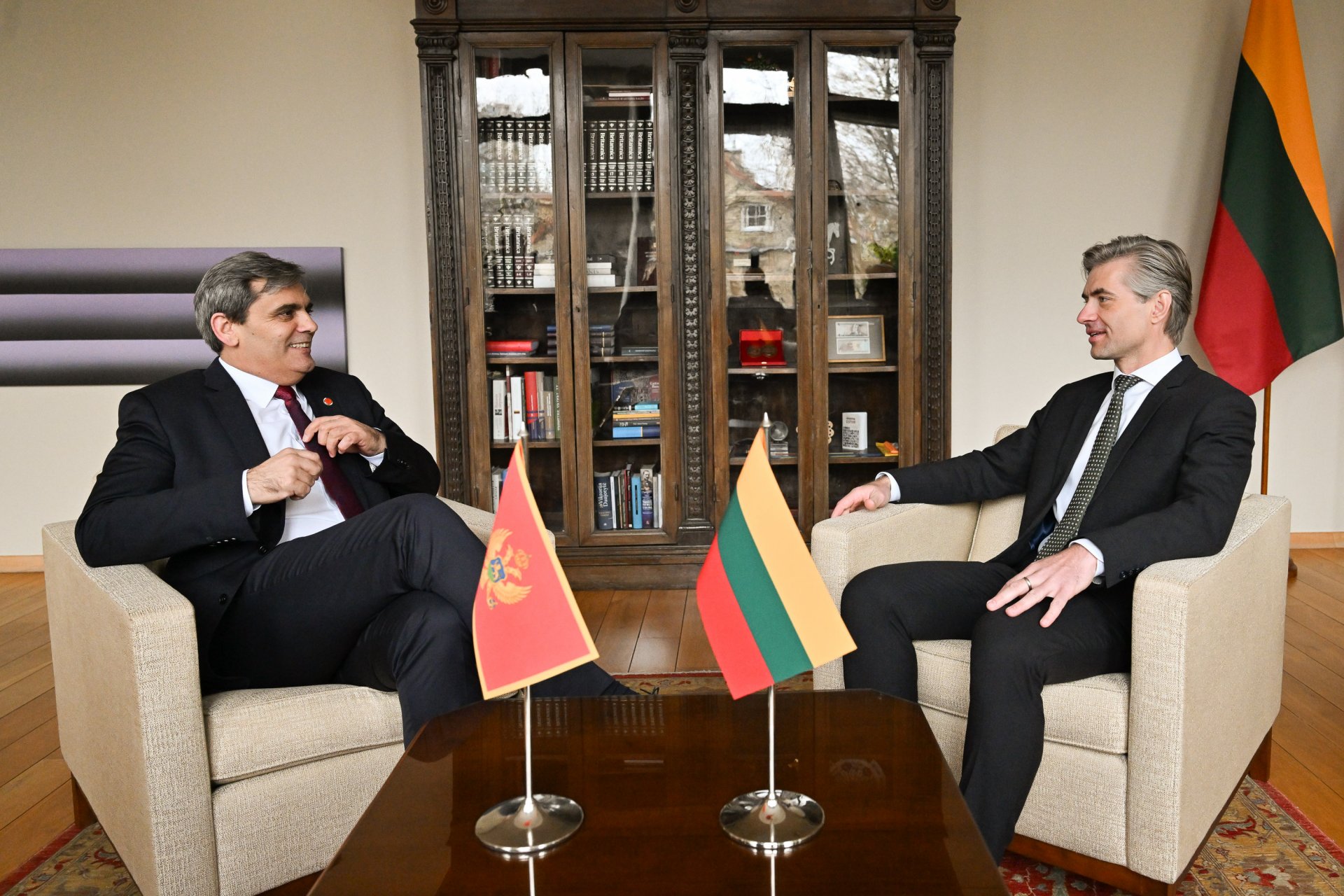
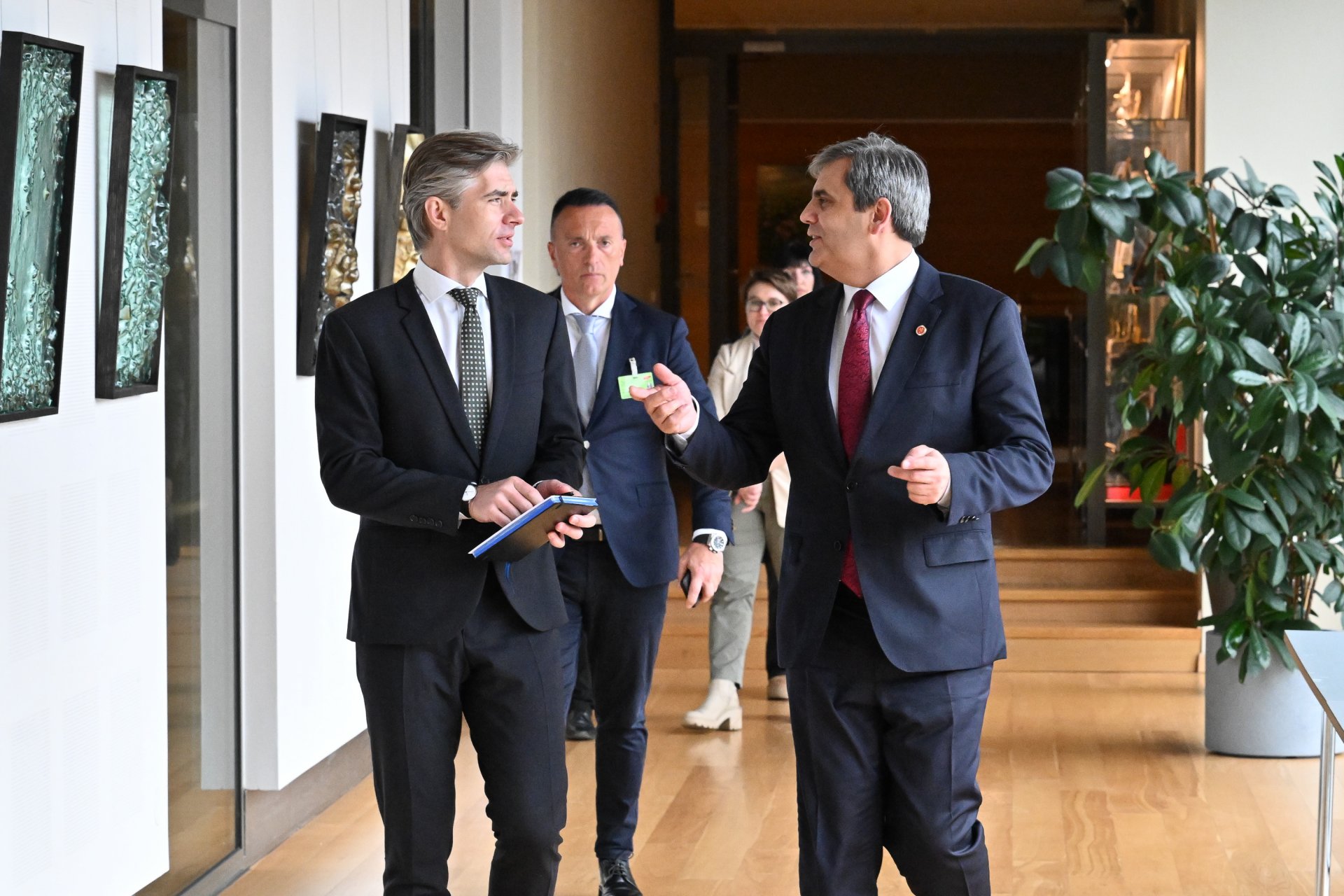
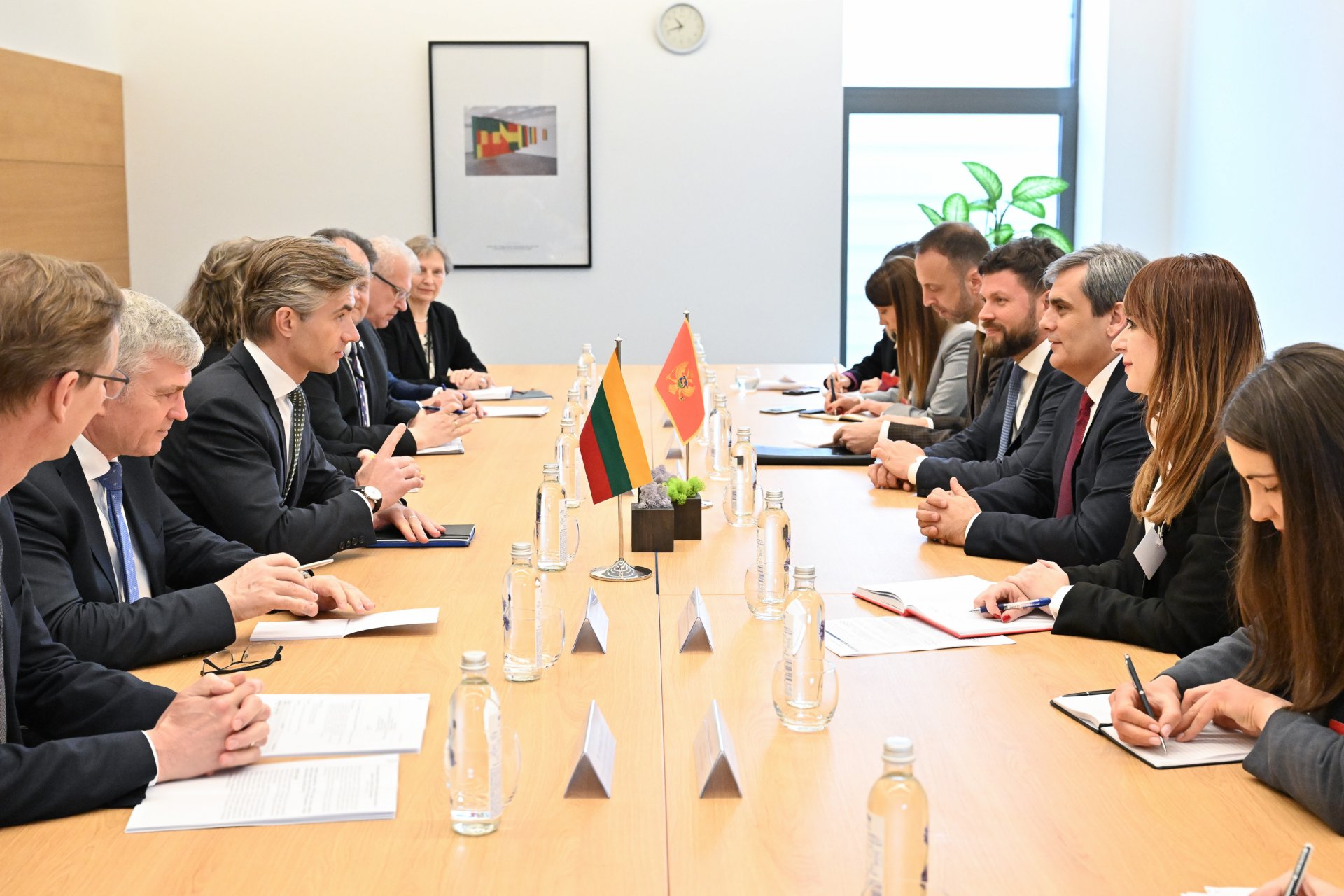
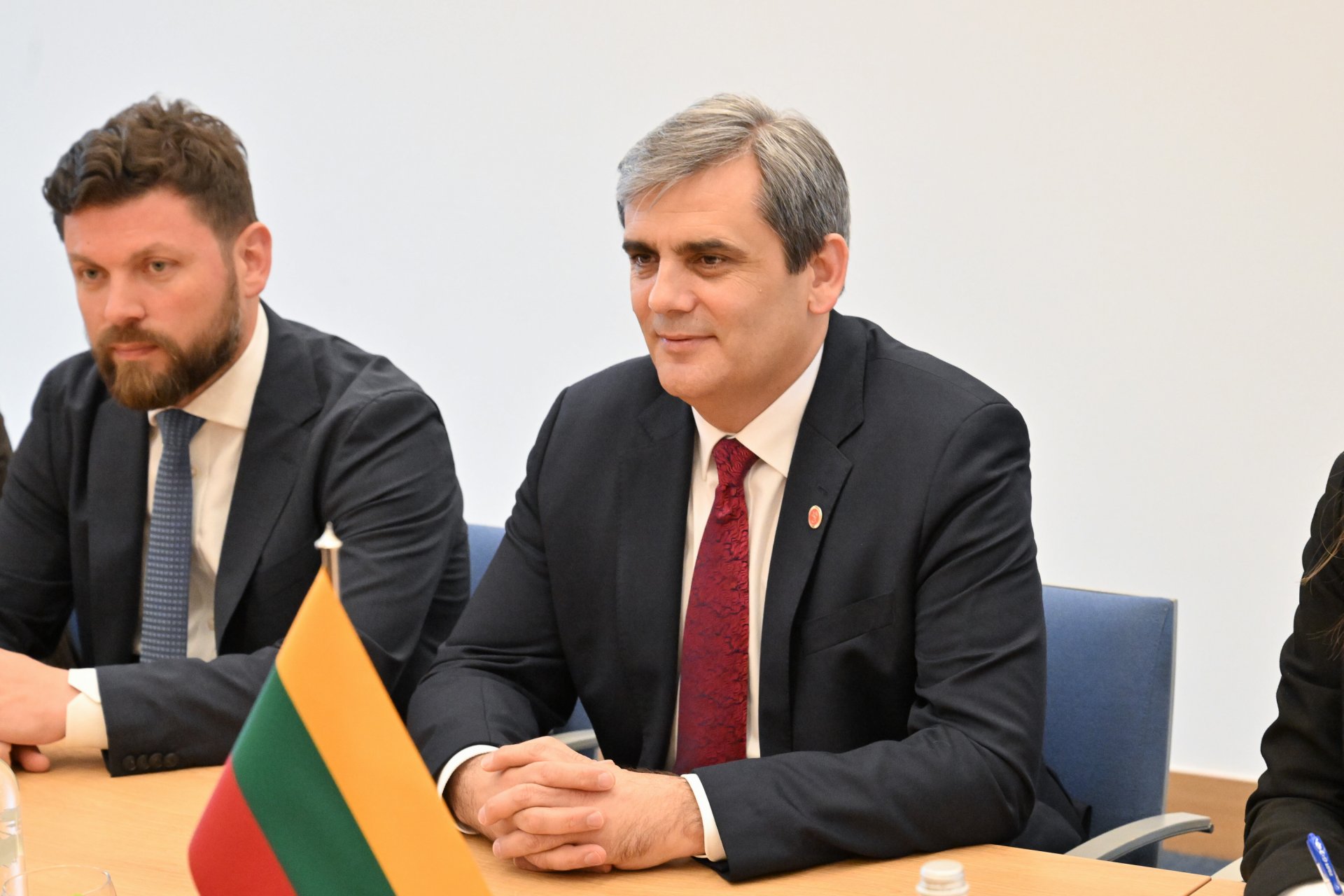
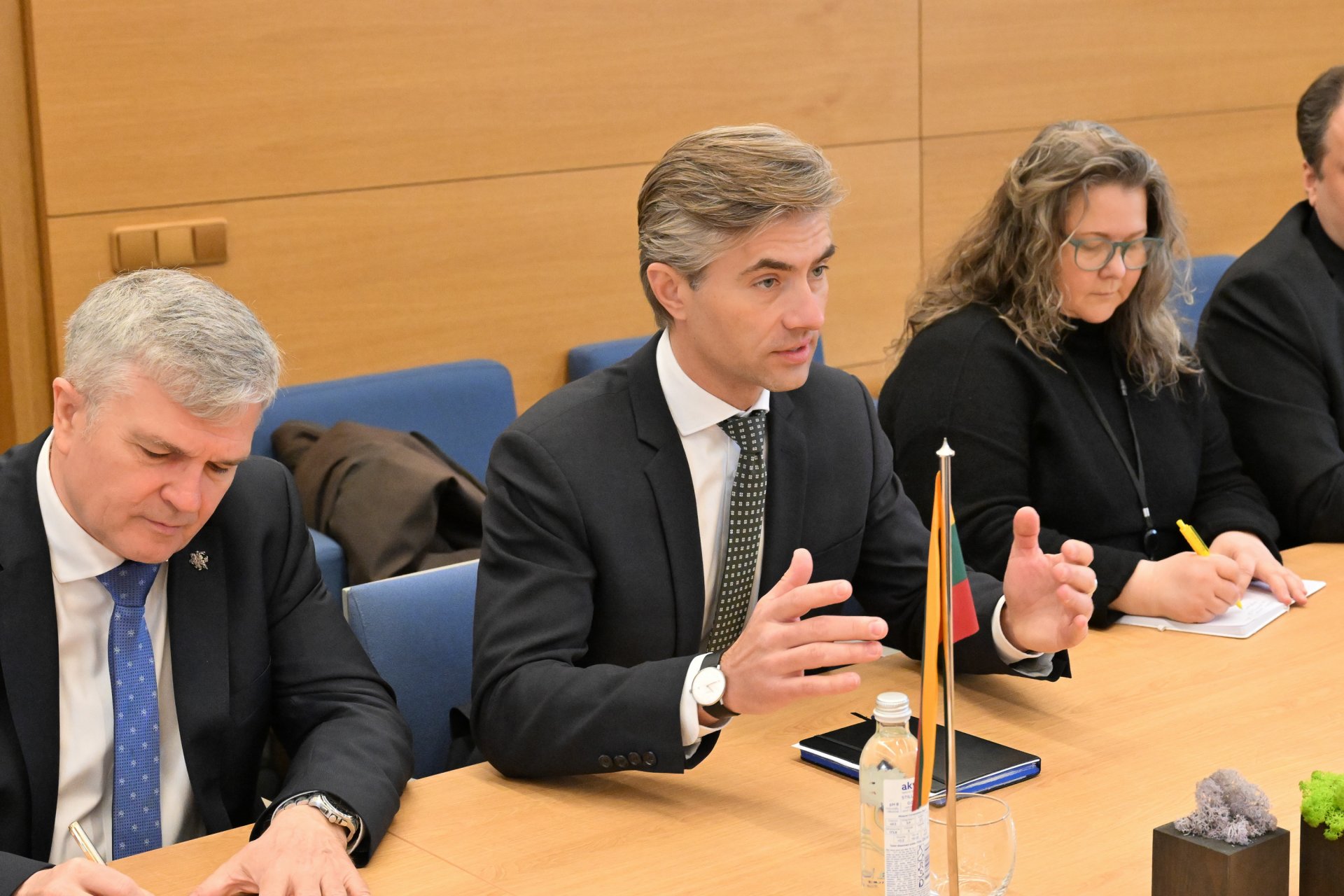
On 8 April, the Minister of Foreign Affairs, Kęstutis Budrys, met with Deputy Prime Minister and Minister of Foreign Affairs of Montenegro, Ervin Ibrahimović, to discuss bilateral relations, EU enlargement prospects, transatlantic relations, strengthening security in Europe, and support for Ukraine.
According to Lithuania’s head of diplomacy, the enlargement of the European Union is one of the key priorities of Lithuania’s Presidency of the Council of the EU in the first half of next year.
“The open-door policy and the continued expansion of the European Union are strategic choice. The more like-minded nations sharing the same values are around us, the safer and stronger the European Union becomes. We greatly appreciate the progress Montenegro has made. Your example has shown that determined reforms, although difficult, deliver tangible results and bring a country closer to EU membership. EU enlargement, including the accession of Ukraine, will reinforce the security of the entire continent,” said Budrys.
According to the Minister, to maintain the pace of negotiations, it is necessary to further strengthen the rule of law, combat corruption and organized crime, and ensure media independence. Both countries agreed to continue close dialogue and cooperation in pursuit of common European goals.
Lithuanian and Montenegrin Ministers discussed preparations for the upcoming NATO summit in Ankara, the security situation in Europe, and the commitment made by Alliance members at the Hague summit to increase defense spending. Lithuania thanked Montenegro for its contribution to the security of the Baltic states and for the deployment of its troops to the NATO multinational battlegroup in Latvia. According to Budrys, transatlantic unity and the strengthening of the Alliance’s defense capabilities remain essential factors in ensuring deterrence and regional stability.
Lithuania invited Montenegro to continue actively supporting Ukraine—both by expressing political positions and by voting in international organizations—with a view to tightening international sanctions against Russia and Belarus and participating in international accountability mechanisms. Possibilities for contributing to meeting Ukraine’s urgent military needs were also discussed.
"The decisions we make today will determine what kind of Europe we will live in tomorrow. That is why we must act decisively—to strengthen security, support Ukraine, and open our doors to those who are determined to live in the spirit of European values,” said Budrys.
The meeting also addressed opportunities to expand cooperation in high technologies, financial innovation, and other future-oriented sectors of the economy. Montenegrin representatives took an interest in Lithuania’s experience in countering cyberattacks and attempts by external actors to influence democratic processes, as well as in strengthening state and societal resilience.

Social media