Debate on weaponized pasts around Europe held in Brussels
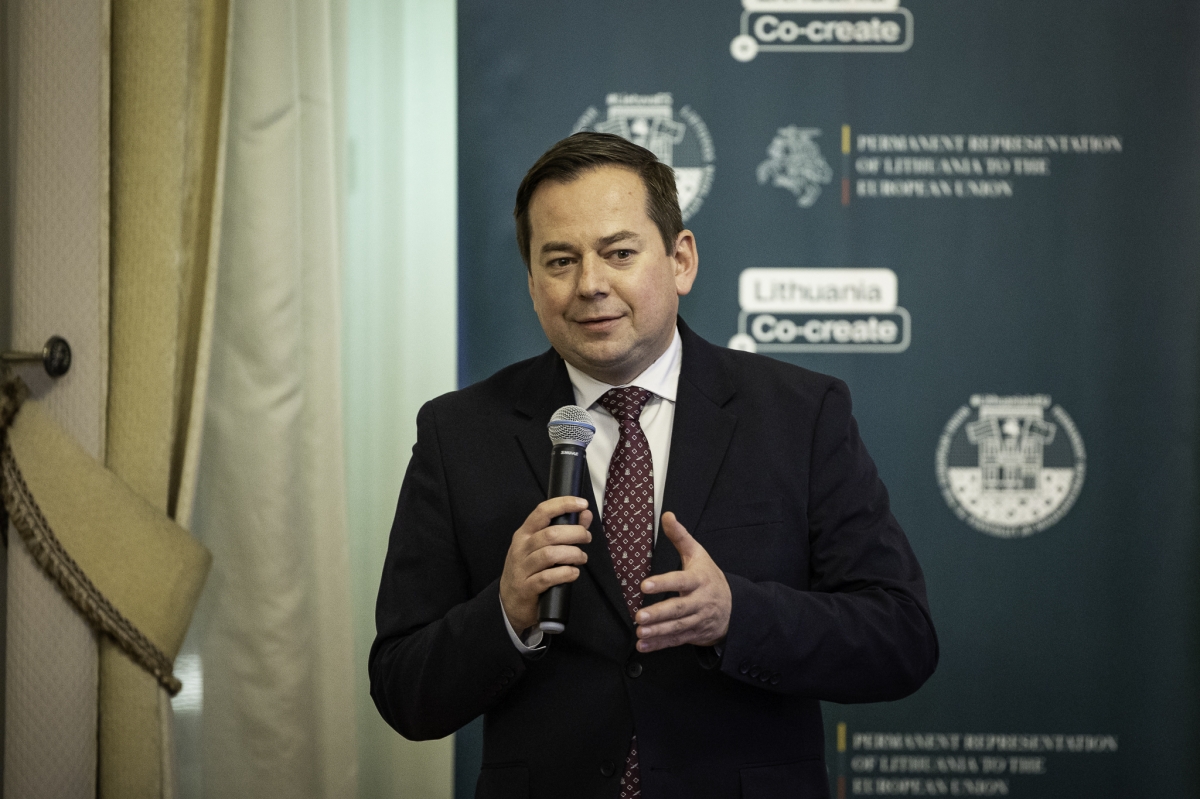
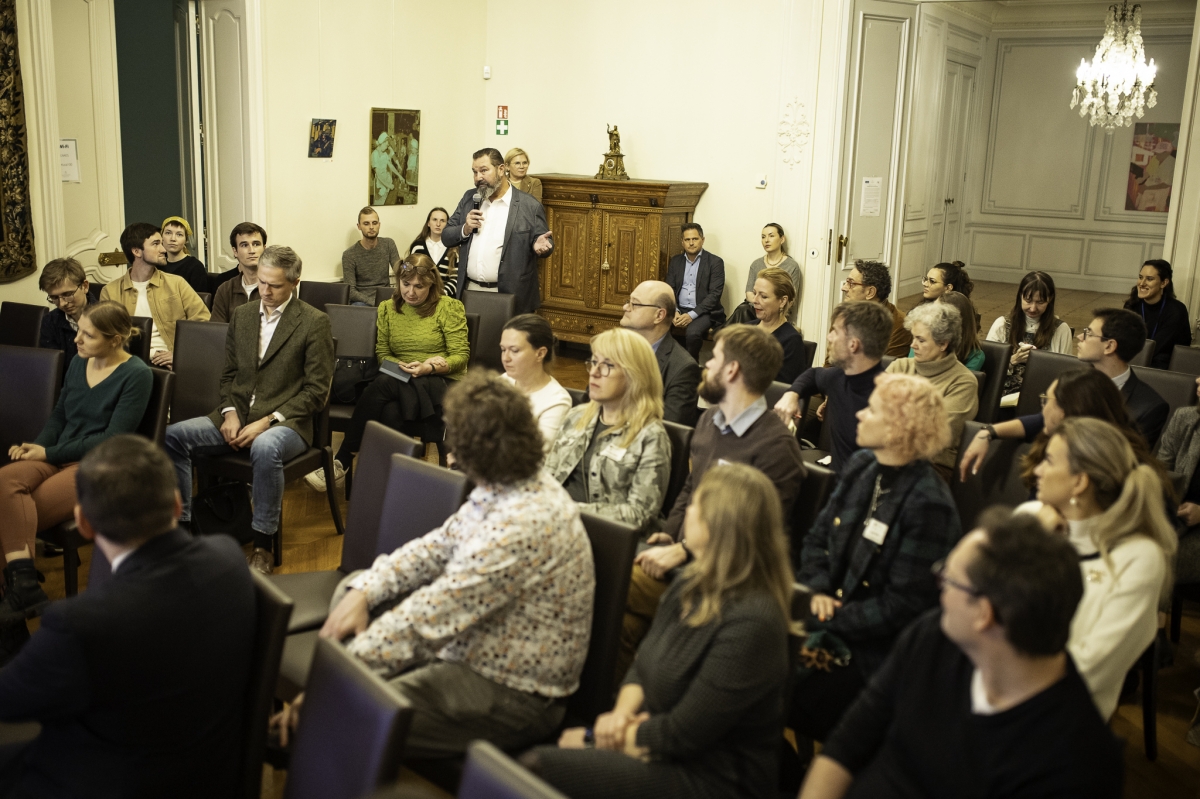

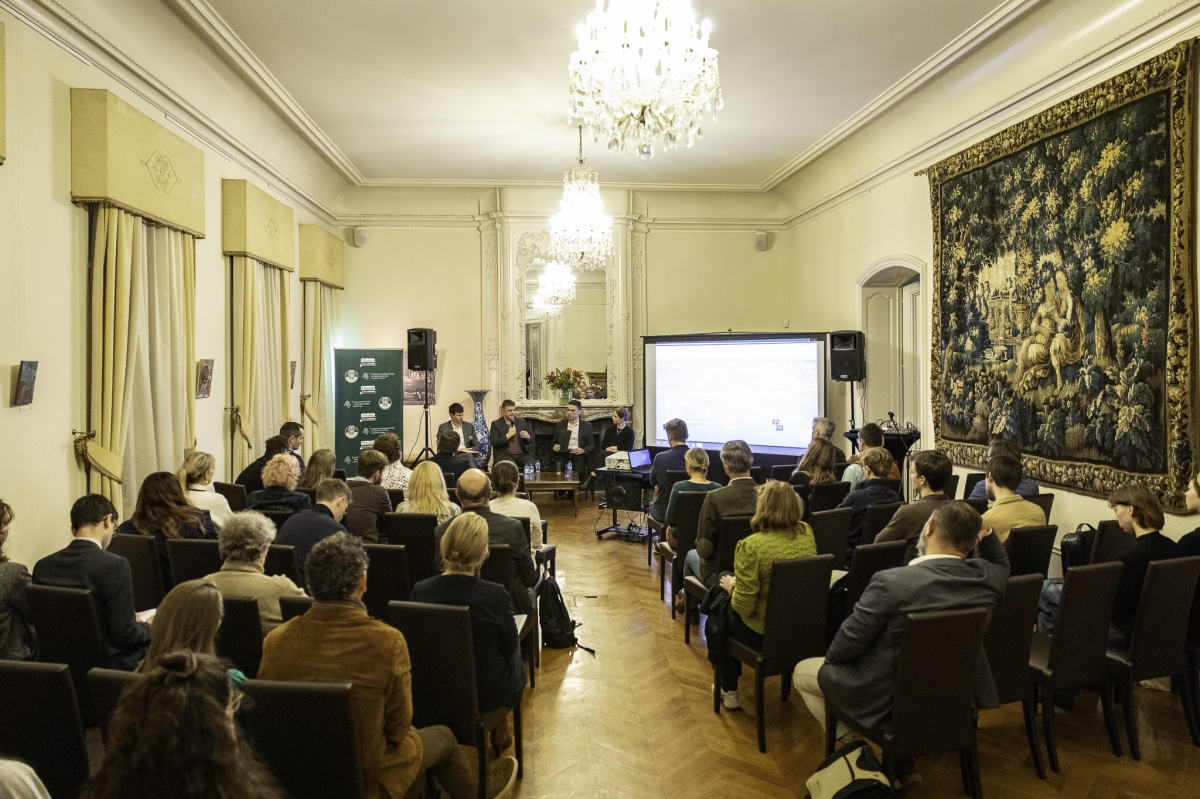
On 16 November, in light of the 700th anniversary of Vilnius, historians, academics, and audience members at the Permanent Representation of Lithuania to the EU discussed the politicisation of history, which is becoming more and more dangerous in the current complex geopolitical era, in a panel discussion on "Weaponised pasts around Europe".
In his opening speech, Lithuania's Permanent Representative to the EU, Ambassador Arnoldas Pranckevičius, stressed that in the context of Russia's brutal war against Ukraine and the conflict in the Middle East, we are witnessing the return of history, both in international politics and in the agenda of autocratic leaders who manipulate history and use it as a weapon to sow hatred and divide societies from within. The Ambassador stressed the importance of building the resilience and critical thinking of free societies and strengthening trust in the European Union and its founding democratic principles.
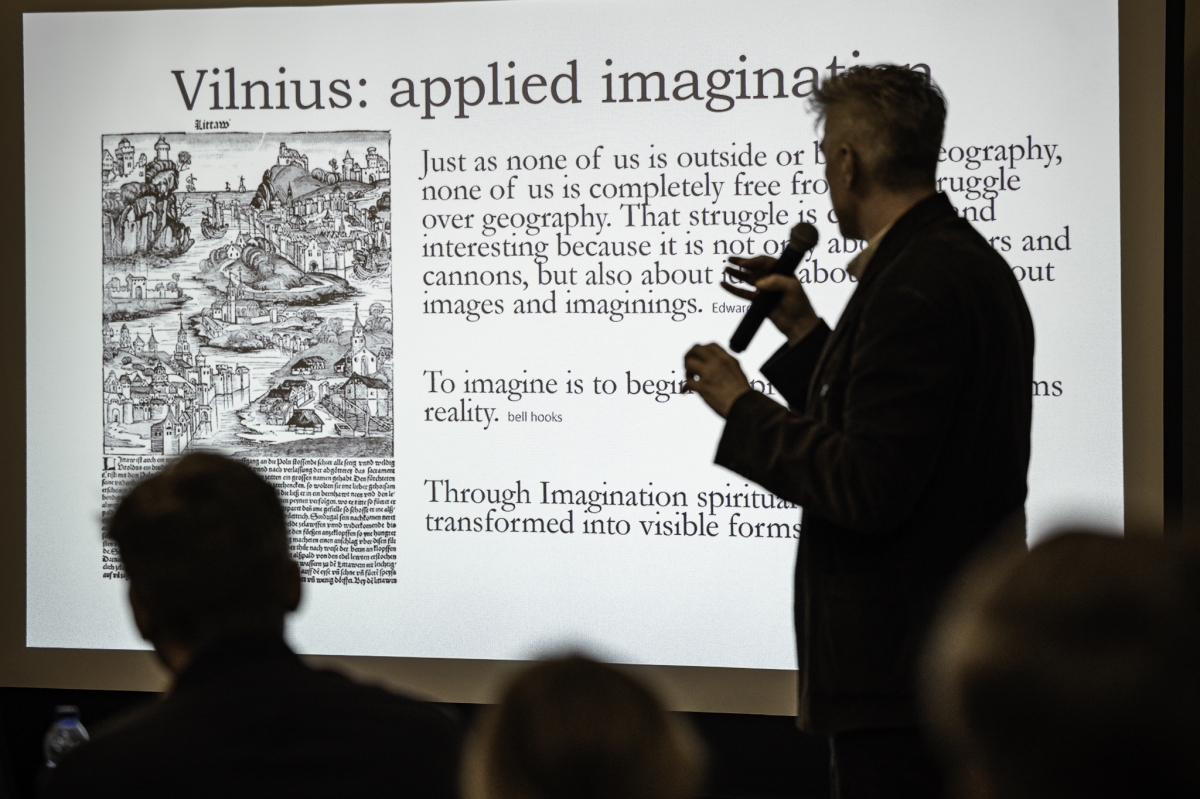
Before the main debate, Laimonas Briedis, writer and cultural geographer, gave a brief insight into the history of Vilnius through the familiar ideas and quotes that emerged from the historical and cultural space of the Lithuanian capital. Drawing on the historical context of Vilnius, Briedis tried to look deeper into how people perceive their history, from which positions and perspectives it is seen, and what the impact of imagination and creativity is on the science of history.
Keynote speakers Donatas Kupčiūnas (Centre for Geopolitics, University of Cambridge), Marie-Gabrielle Verbergt (Ghent University), Ivo van de Wijdeven (author of The Power of the Past), and moderator Bram de Ridder (KU Leuven University) shared their perceptions of what is the real work and duty of a historian, how to ensure academic freedom and freedom of expression, what are the potential threats from different interpretations of history, and took a deeper look at propaganda and information wars.

Social media