Vice-Minister S. Mitkus: Our priorities for the EU – strengthening support for Ukraine, defending our eastern borders, and enhancing competitiveness
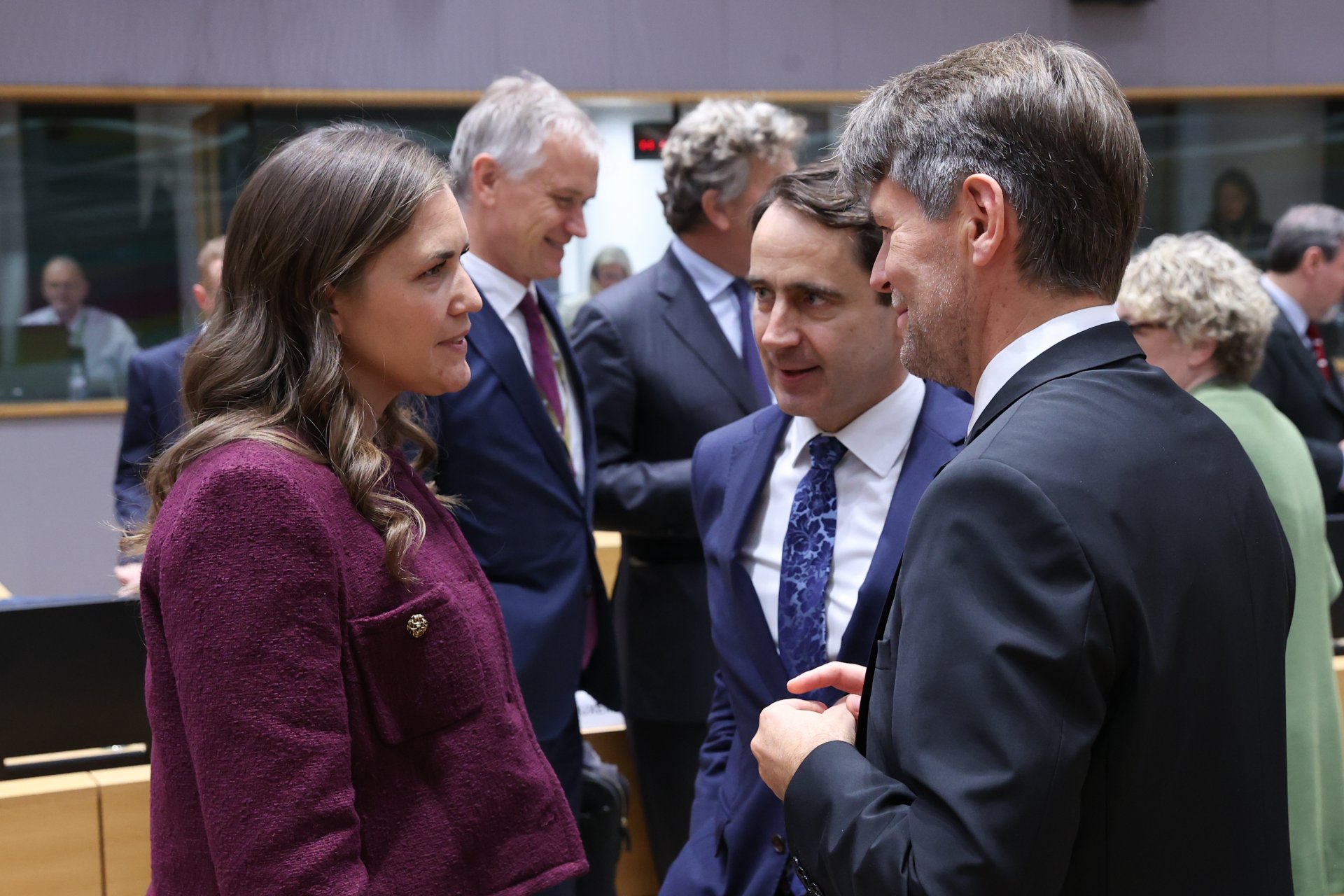
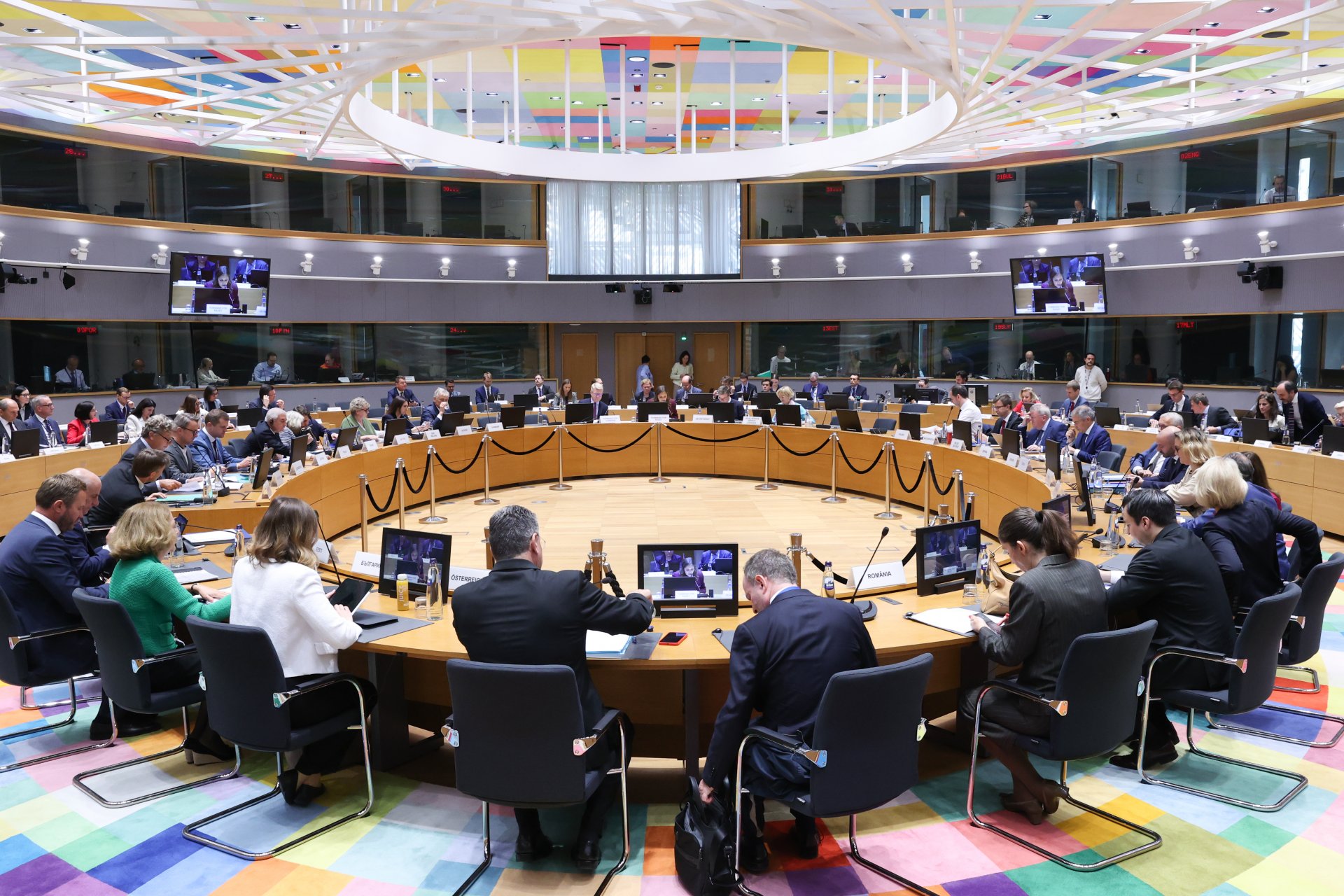
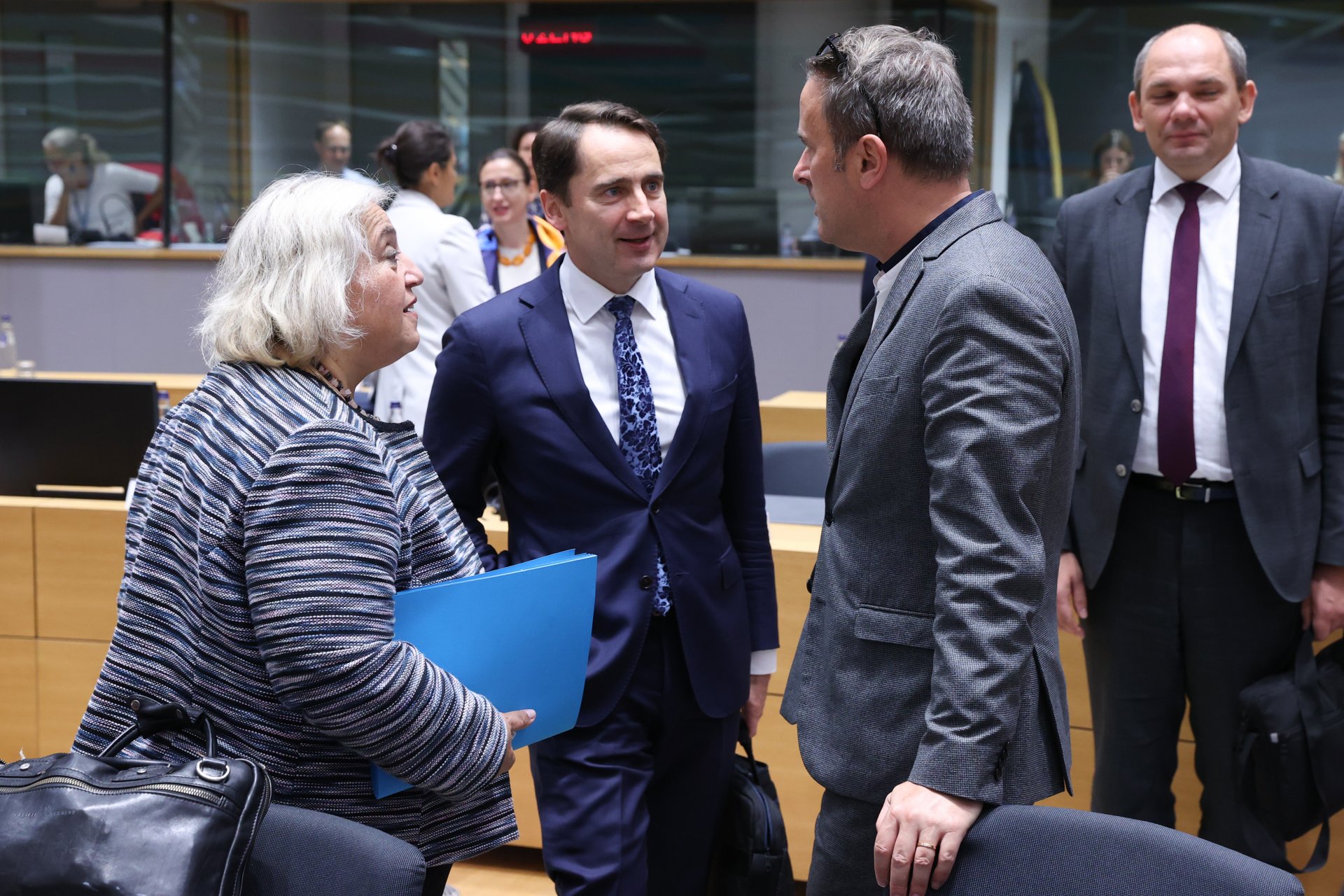
On 16 September in Brussels, the Vice-Minister of Foreign Affairs Sigitas Mitkus represented Lithuania at the General Affairs Council of the European Union.
Representatives of EU member states started preparations for the European Council scheduled for 23 - 24 October. During the discussion, the Vice-Minister emphasized that further decisions on supporting Ukraine, strengthening the EU's security and defence, and enhancing the EU's competitiveness must be taken at the meeting in October.
"The EU must act decisively by increasing its full support to Ukraine, maximising pressure on Russia and making Ukraine's EU membership a reality as early as by 1 January 2030," Mitkus noted.
The Vice-Minister also called for faster implementation of the European Defence Readiness Plan, additional funding for the protection of the EU's eastern borders, and addressing the threat posed by increasing violations by Russian drones of the EU airspace.
"We stand in solidarity with Poland, whose airspace has been violated by Russian drones. And we see the need for decisive EU action to defend our airspace," Mitkus said.
The Council also discussed the EU’s legislative programming for 2026 – the European Commission presented its letter of intent, in which it sets out legislative priorities for the next year. The Vice-Minister Mitkus noted that Lithuania's priorities were largely reflected in the Commission's plans: “We are particularly positive about the focus on protecting the EU’s eastern borders, supporting the Baltic states’ initiative on building a drone “wall” and strengthening support for Ukraine.”
Mitkus also stressed the need to further strengthen the EU's competitiveness and resilience against disinformation and to ensure alignment between EU legislation and the EU's Multiannual Financial Framework.
Two debates on the rule of law issues took place during the Council. The ministers held a joint discussion on developments related to the rule of law situation in the EU. The debate was based on the latest Commission’s rule of law report. During another discussion, the ministers exchanged views on the rule of law situation in four candidate countries, namely Albania, Montenegro, North Macedonia, and Serbia.
In the latter discussion, the Nordic and Baltic countries (NB5) – Estonia, Latvia, Lithuania, Finland, and Sweden – highlighted the inclusion of candidate countries in the annual dialogue as one of the steps towards gradual integration: “We welcome the progress of reforms in Albania and Montenegro, encourage North Macedonia to continue its efforts, but we are concerned about the stagnation of reforms and restrictions on freedoms in Serbia. We hope that these shortcomings will be remedied without delay," the Swedish spokeswoman said on behalf of NB5. In a joint statement, the NB5 stressed that it would continue to support the efforts of candidate countries, provided they demonstrated clear political will and tangible results. She also suggested that Ukraine and Moldova should be included in this dialogue in the future.
As an additional item on the agenda, France presented proposals related to the European Democracy Shield initiative that is being prepared by the Commission. Vice-Minister Mitkus expressed support for France's proposals and the Commission's initiative, stressing the need to combat disinformation threats, interference in democratic processes from abroad, and the importance of fostering European historical memory to strengthen the resilience of societies.

Social media